
Assay: 99%
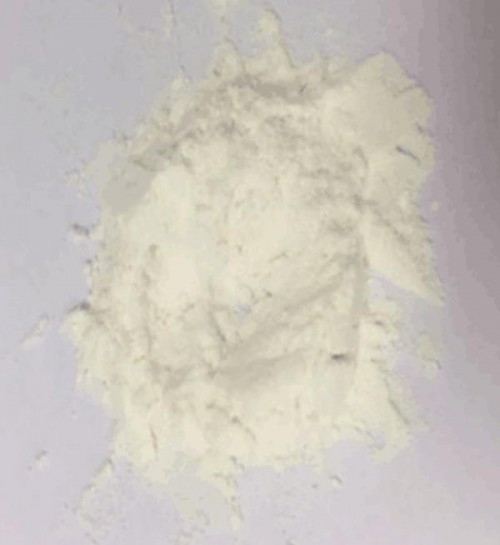
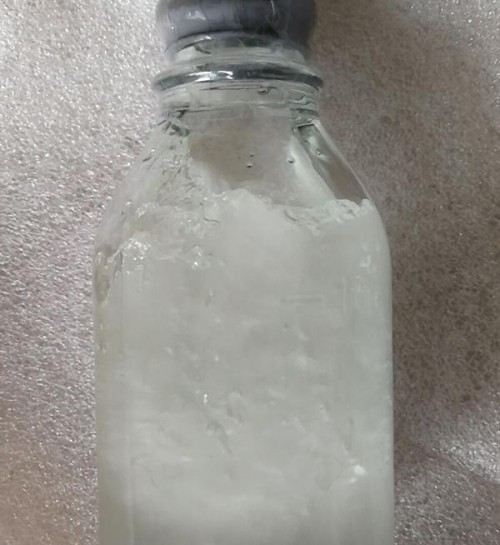
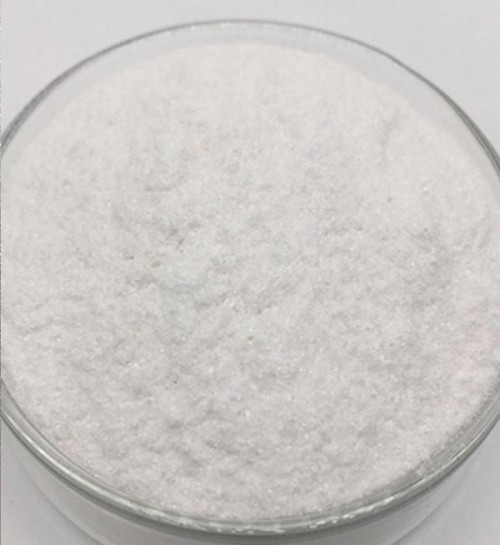
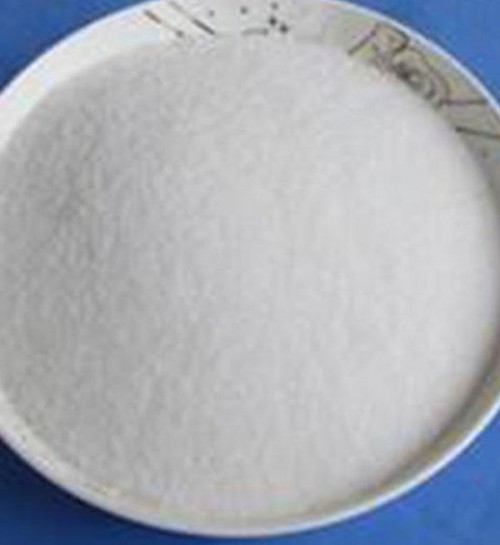
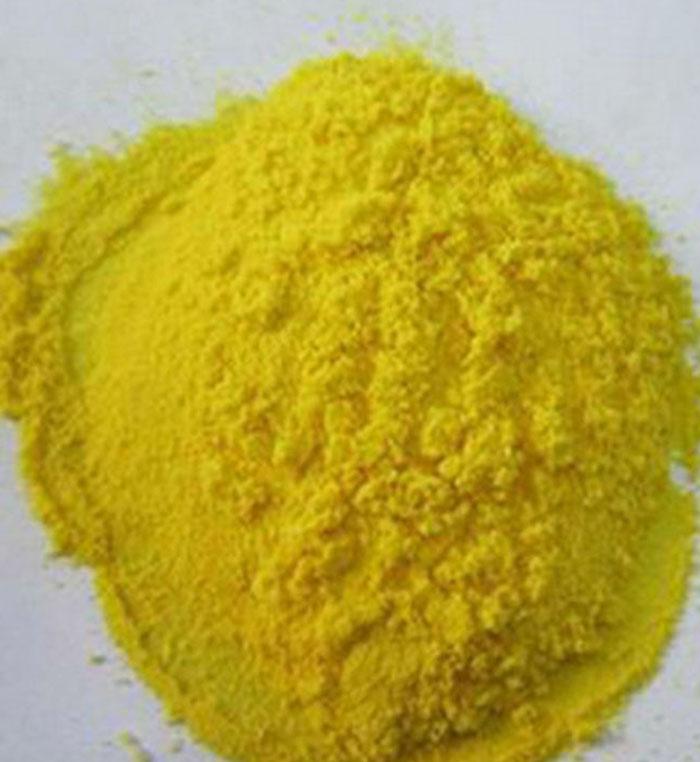
Appearance: White powder
Capacity: 5000MT per year
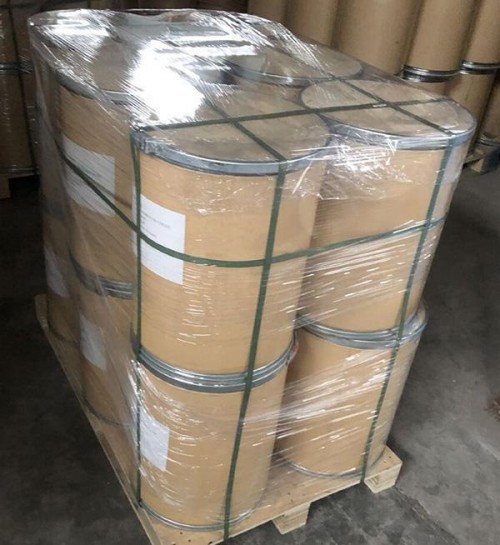
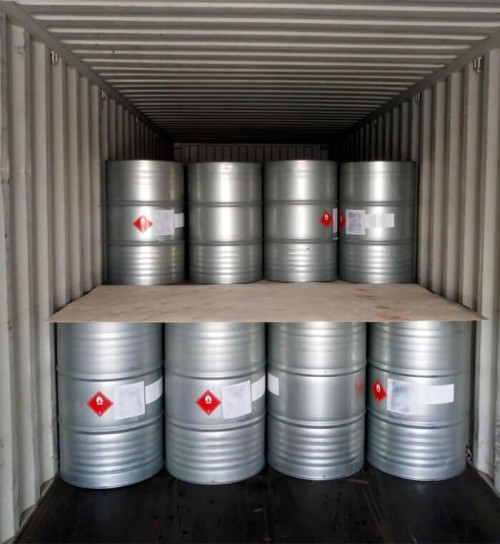
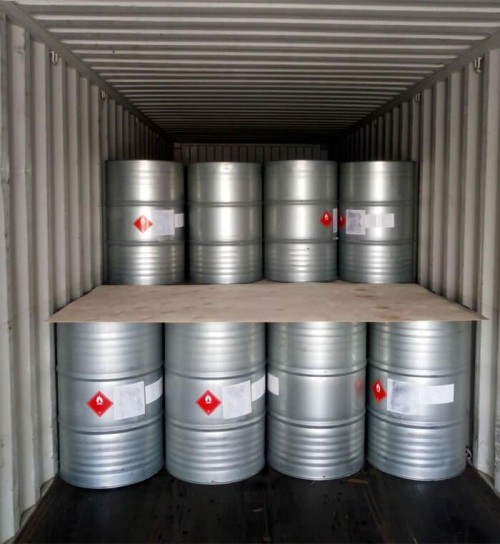
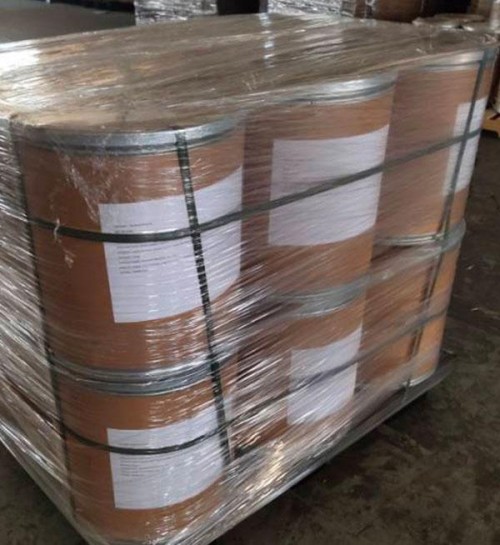
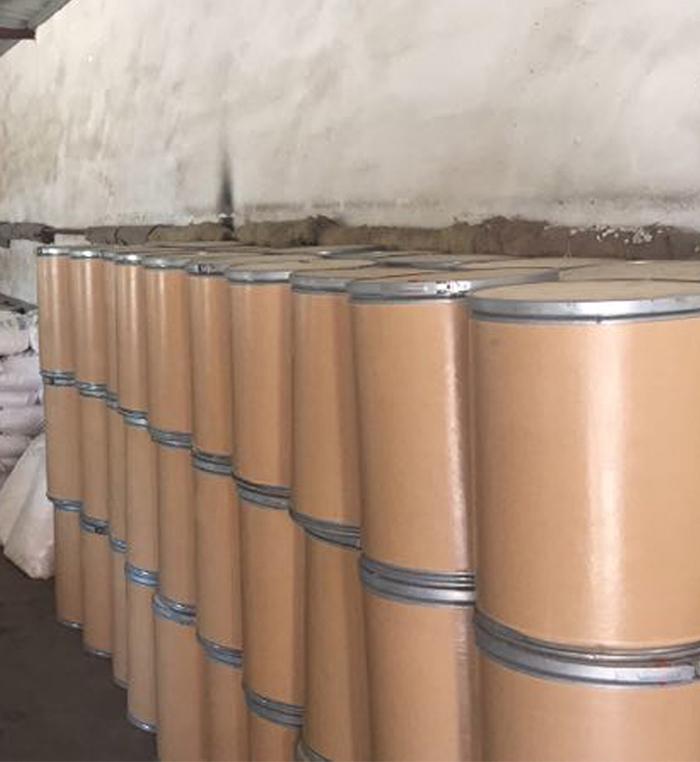
Packaging: 25kg/drum
Sample: available

Assay: 99%
Appearance: White powder
Capacity: 5000MT per year
Packaging: 25kg/drum
Sample: available
AMYLOPECTIN Details
Chemical Name:AMYLOPECTIN
CAS No.:9037-22-3
Molecular Formula: C30H52O26
Molecular Weight:828.71828
MolecularStructure:
Appearance:White or yellow Powder
AMYLOPECTIN Typical Properties
| Item | Specifications |
| Appearance | Whiteor yellow powder |
| Water (%)≦ | 15.0 |
| White degree(%)≧ | 88 |
| Spot (a/cm2)≦ | 2.0 |
| Stability(5%,Paste),24h | No stratification |
| PH pulp (concentration 10%) | 5-8 |
AMYLOSE and AMYLOPECTIN
1. The amylose is not easily formed into a gel after being boiled, and
the glucose molecules are arranged neatly. Amylopectin is easy to form a paste with a large viscosity, but it cannot be a gel after cooling.
2.The amylose is blue withiodine solution, while amylopectin is purple. The solubility of the amyloseis larger than that of amylopectin. The monosaccharides of amylose are linked by а-1,4 glycosidic bonds, and the amylose is separated by glutamate linkages, as well as а-1,6 glycosides.
3. Starch has two types of amylose and amylopectin. Amylose contains hundreds ofglucose units, and amylopectin contains thousands ofglucose units. In natural starch, the amylose accounts for about 22% to 26% and the rest is amylopectin.
AMYLOPECTIN Usage
1.Used to make food packaging materials
2.For instant noodles additive
AMYLOPECTIN Packaging and Shipping
Packing: 25kg/bag
AMYLOPECTINStorage
1.Storedin cool place
2.Keep container tightly closed in a dry and well-ventilated place